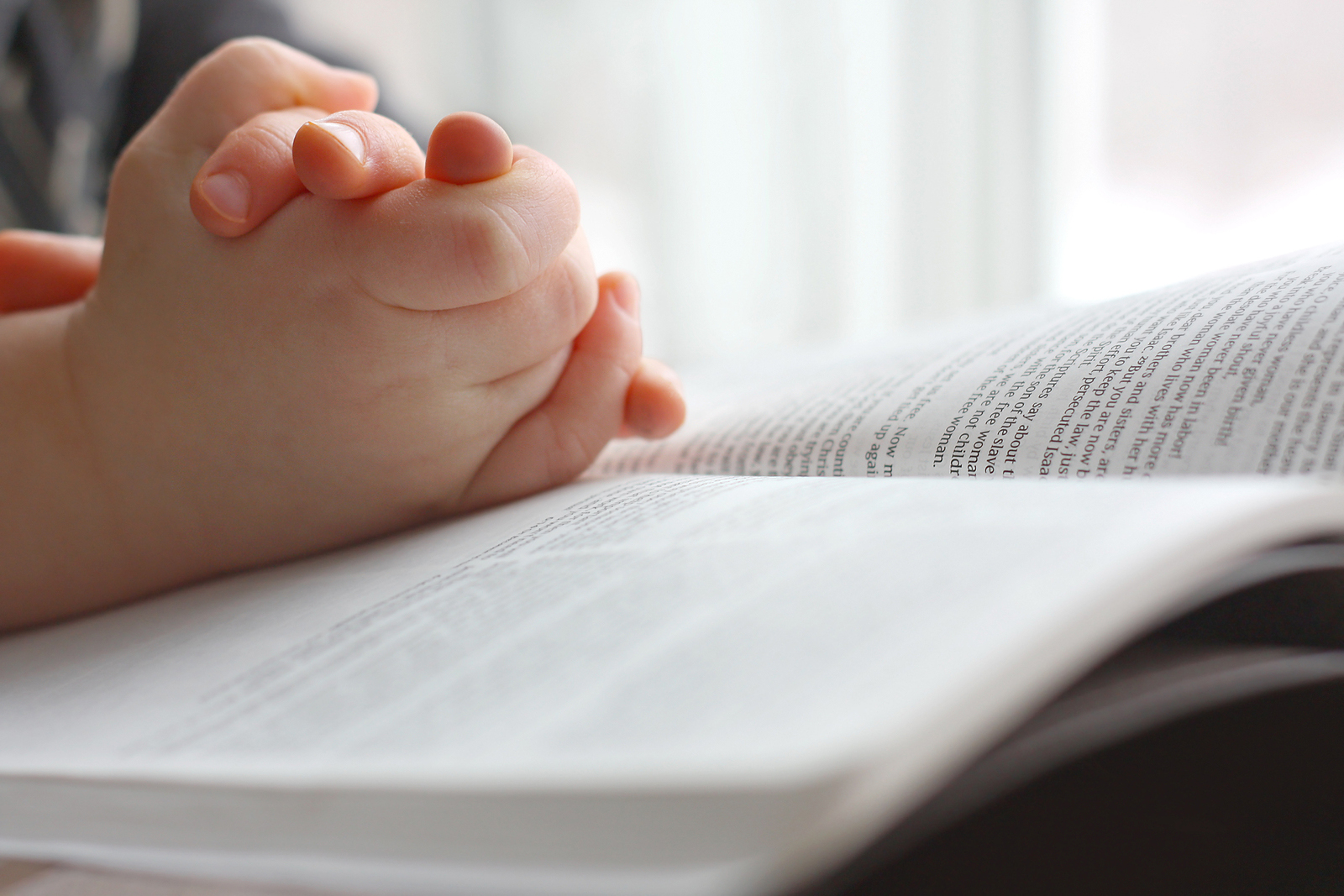
Lord Teach us to Pray
Bible Text: Luke 11:1-13 | Preacher: G.F. | Series: Lord Teach us to Pray
Francis Chan is credited with saying, “Our greatest fear should not be of failure but of succeeding at things in life that don’t really matter to God.”
Pray matters to God. The story of Martha and Mary is connected to this section about Jesus teaching his disciples how to pray. Jesus was happy with Mary’s attitude of dependence as she sat at His feet listening to His teaching. She chose the good portion which mattered to Jesus, which would not be taken away from her. I believe that Jesus is teaching in this passage that this same attitude of dependence is necessary in our prayer life.
In our text before us we have what is traditionally called the Lord’s Prayer. However this is not our Lord praying, but he is teaching his disciples “how to pray”v1.
Luke recorded Jesus praying on a number of occasions. Jesus prayed at his baptism (3:21-22). He often withdraw from the growing crowds in order to pray (5:16). He prayed before choosing the twelve apostles (6:12). Jesus spent time in prayer after feeding the five thousand (9:18). Jesus prayed on the Mount of Transfiguration (9:28-29). And Jesus prayed when the seventy-two returned from their short-term missions trip (10:21-22). Jesus’ disciples noticed that prayer mattered to Jesus. Jesus was committed to prayer.
The great Welsh preacher, Dr. Martyn Lloyd-Jones, once said that “prayer is the highest activity of the human soul.” If this is true, then why do we avoid the struggle to pray? The analysis of Jesus’ teaching on prayer in Luke 11:1-13 teaches us that disciplined prayer is essential to a godly life:
1. The Request for Teaching on Prayer (11:1)
2. The Pattern for Prayer (11:2-4) 3. The Parable on Prayer (11:5-13)
It is on the basis of God’s love for us as our Father that we come to him in prayer. The opening word of the Lord’s Prayer governs everything that follows. When we pray for God’s name to be hallowed, we are seeking our Father’s honor. When we pray for his kingdom to come, we are praying for the establishment of our Father’s authority. When we pray for our daily bread, we are asking our Father to meet our needs. When we pray for forgiveness, we are asking our Father to show us mercy. When we pray against temptation, we are asking our Father to keep us safe. As we bring each of these petitions before the throne of grace, we are praying to God as our loving Father, who loves to do what we ask in his name.
Is Jesus’ Father your heavenly Father?
An unknown author put together a great summary of the Disciples’ Prayer:
I cannot say “our” if I live only for myself.
I cannot say, “Father” if I do not endeavor each day to act like His child.
I cannot say, “hallowed be your name” if I am playing around with sin.
I cannot say “your kingdom come” if I am not allowing God to reign in my life.
I cannot say “give us this day our daily bread” if I am trusting in myself instead of in God’s provision.
I cannot say, “Forgive us our sins” if I am nursing a grudge or withholding forgiveness from someone else.
I cannot say, “lead us not into temptation” if I deliberately place myself in its path.